POSITIVE MINDS, POSITIVE RESULTS.

The Essentials of Ultimate
Ultimate is played on a rectangular field, traditionally 110 meters by 37 meters, including end zones, by two teams of seven players. The objective is to score by catching the disc in the opponent’s end zone.
Most crucially, Ultimate is traditionally self-officiated, even at the highest levels of World Championship play. This relies on a highly developed code of sportsmanship where players are responsible for calling their own fouls and resolving disputes through civil dialogue. This moral system is known as "Spirit of the Game (SOTG)".
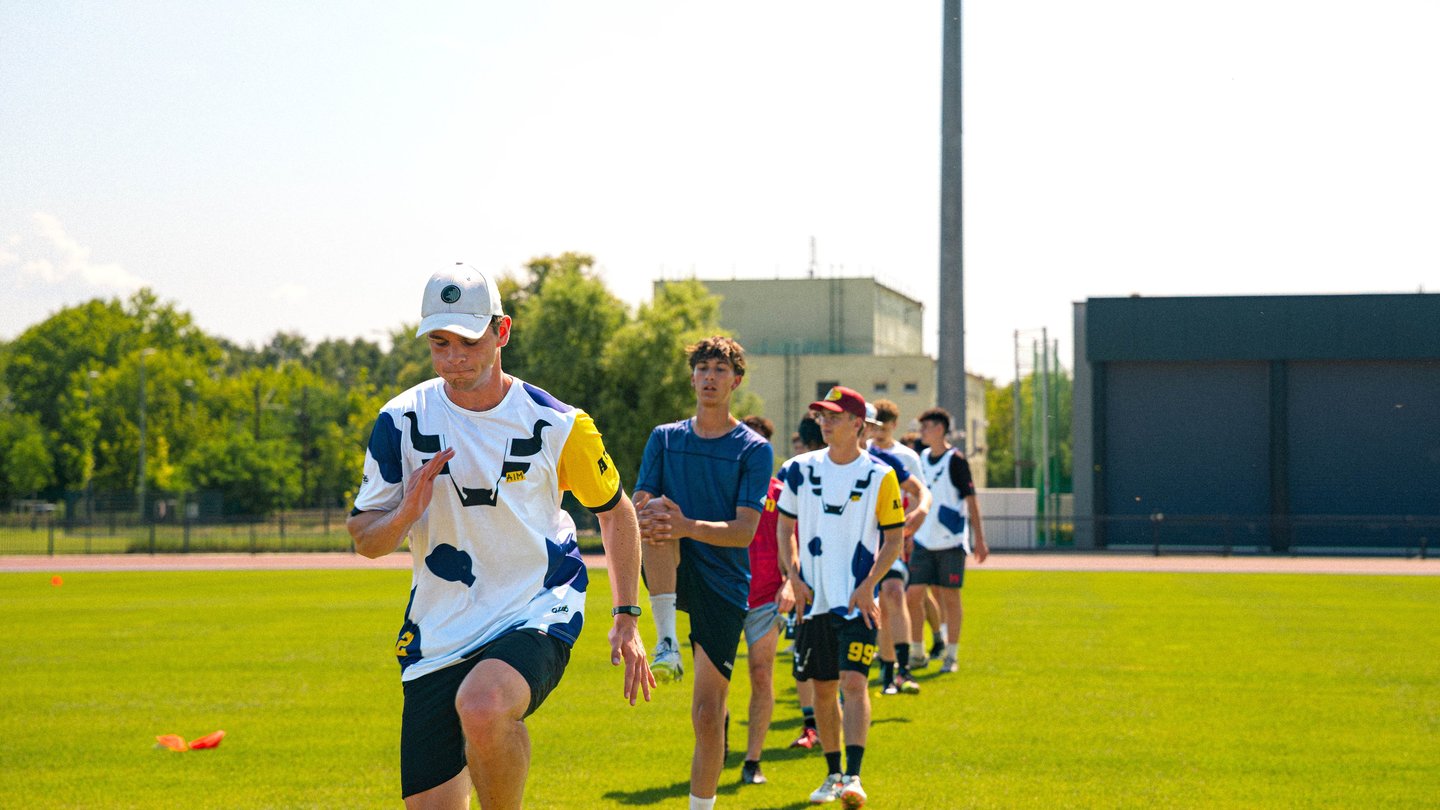
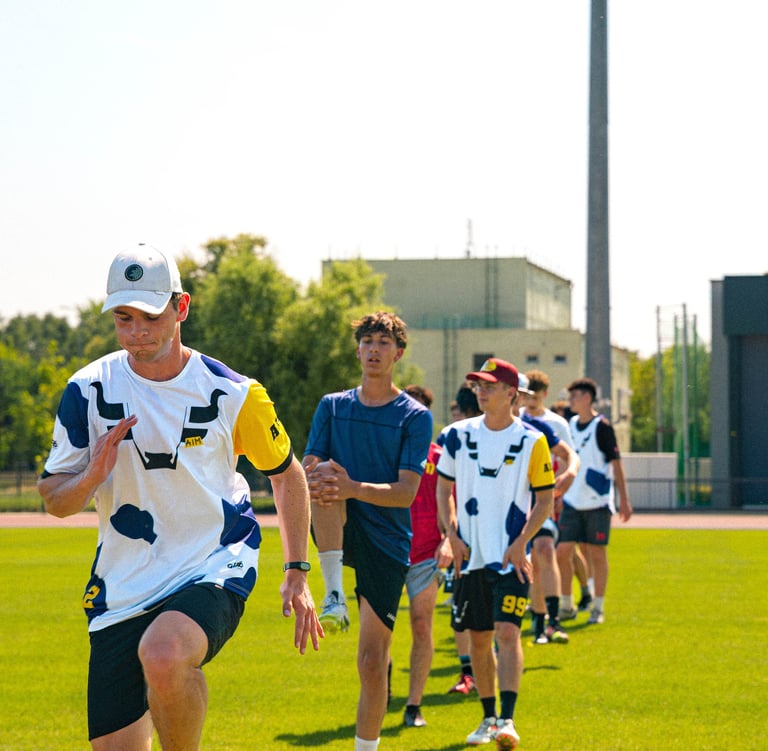


The sport is defined by several unique constraints:
Movement: Players cannot run while in possession of the disc. Upon catching it, a player must come to a stop as quickly as possible and establish a pivot foot.
The Stall Count: A defender, known as the "marker," stands within three meters of the thrower and initiates a vocal count from one to ten (the stall count). If the disc is not released by the "T" of "Ten," it results in a turnover.
Turnovers: Possession changes immediately if the disc hits the ground, is intercepted, is knocked down by a defender, or goes out of bounds.
Ultimate Strategies and Tactics
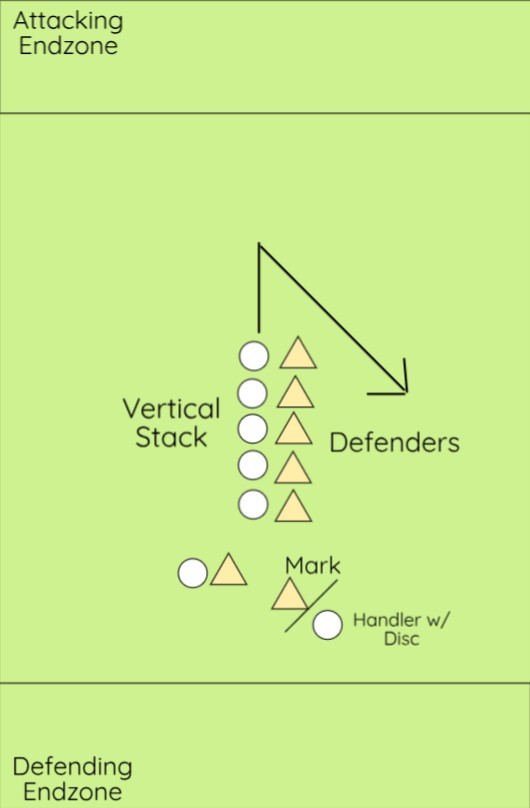
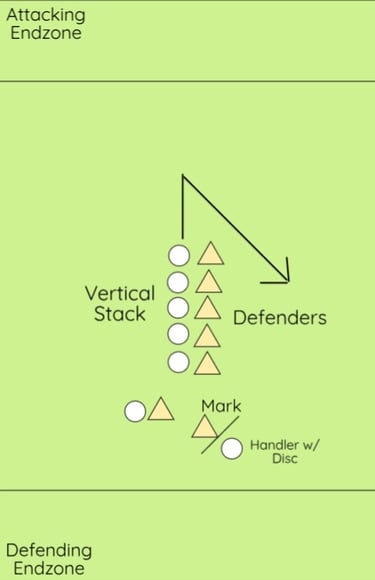
Most elite teams utilize a "Stack" system to manage field space. In a Vertical Stack, players line up in the center of the field, leaving the "lanes" on either side open for dynamic "cuts", sprints to open space.
Alternatively, a Horizontal Stack spreads three or four players across the width of the field, creating deep isolated pockets for "handlers", the primary throwers, to exploit. Handlers must master a variety of releases, including the backhand, forehand (flick), and the inverted hammer or scoober to bypass defensive marks.
Defensively, the most common tactic is the "Force." The marker positions their body to block one side of the field, the forehand or backhand side, effectively "forcing" the thrower to only throw to the other side.
This allows downfield defenders to anticipate where the disc will go. In more complex scenarios, teams employ Zone Defenses, such as the "Cup," where three players surround the disc to stifle short passes, forcing the offense to attempt risky, high-lofted throws over the top.